Adaptable jump rope routines, functional conditioning and progressive overload for sustainable fitness gains.
Many fitness enthusiasts focus heavily on what happens inside the gym, but some of the most effective routines start with something simple and accessible: jumping rope. The beauty of a jump rope routine lies in its adaptability. You can adjust intensity by changing your pace, incorporating double-unders or simply extending the duration. If you find yourself struggling with a particular movement pattern, step back and use lighter resistance or reduce the complexity until your body relearns proper form. Consistency matters far more than brute force.
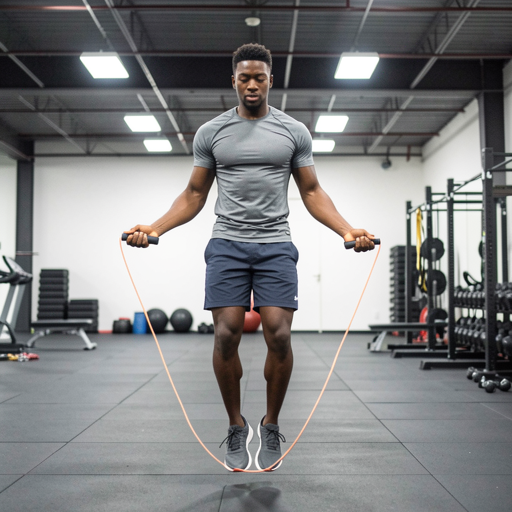
The athletes who consistently reach the finals are not necessarily the ones lifting the heaviest loads — they are the ones who train smarter, recover better and stay committed to their weight management goals over the long term. When it comes to building functional strength, jumping rope delivers unexpected benefits that go far beyond cardio. This humble piece of equipment engages your calves, quads, core stabilizers and even your upper body as you control the rhythm and timing of each rotation. To jump rope effectively, you simply need to maintain a relaxed posture, keep your elbows close to your body and let the rope do most of the work. Start with lighter sets if you are new to this and gradually increase volume as your ankles and calves adapt.
💚
Many people discover that regular jump rope sessions improve their coordination and proprioception in ways that traditional weightlifting simply cannot replicate. The key is finding the right resistance level for your current fitness stage — not too heavy to cause injury, but challenging enough to stimulate real adaptation. Building your strength program requires understanding progressive overload without obsessing over numbers on a barbell. You must track your lifts carefully and add weight only when your form remains solid through every repetition. This principle applies whether you are performing squats, deadlifts or jump rope intervals.
🏊♀️
Calculate what percentage of your body weight you can handle and adjust accordingly as your muscle mass increases. The carryover from jump rope training often surprises people — improved balance, faster footwork and enhanced endurance all translate to better performance in the weight room. If you cannot maintain proper technique at a heavier load, reduce the weight until you can execute the movement cleanly. Your joints and connective tissues need time to strengthen alongside your muscles and rushing that process leads to setbacks that cost more time than gradual progression ever would. The most successful training programs combine discipline with flexibility, adapting to your body's daily feedback.
⌚
Some days you will feel powerful and ready to push harder; other days you will need to scale back and focus on recovery. Jump rope training accommodates both scenarios beautifully — light skipping on off days keeps blood flowing without adding significant stress to your system. Before each session, take a moment to assess your readiness, check your form in a mirror if possible and commit to the movement with full attention. Whether you are building muscle, losing weight or simply trying to stay active, the principle remains the same: show up consistently, respect your limits and celebrate small victories along the way. A jump rope might seem like a simple tool, but used wisely, it becomes a powerful ally in achieving lasting fitness results.